

The Homeowner's Guide to Foundation Repair
Maintaining the structural integrity of your home begins at the absolute lowest point: the foundation. Over years of seasonal weather changes and shifting earth, even the most robust concrete footings can experience structural movement that threatens the safety of your entire property. Recognizing the early indicators of structural distress and understanding your foundation repair options empowers you to protect your largest financial investment before minor issues escalate into catastrophic failures.
Recognizing Visible Indicators of Structural Distress
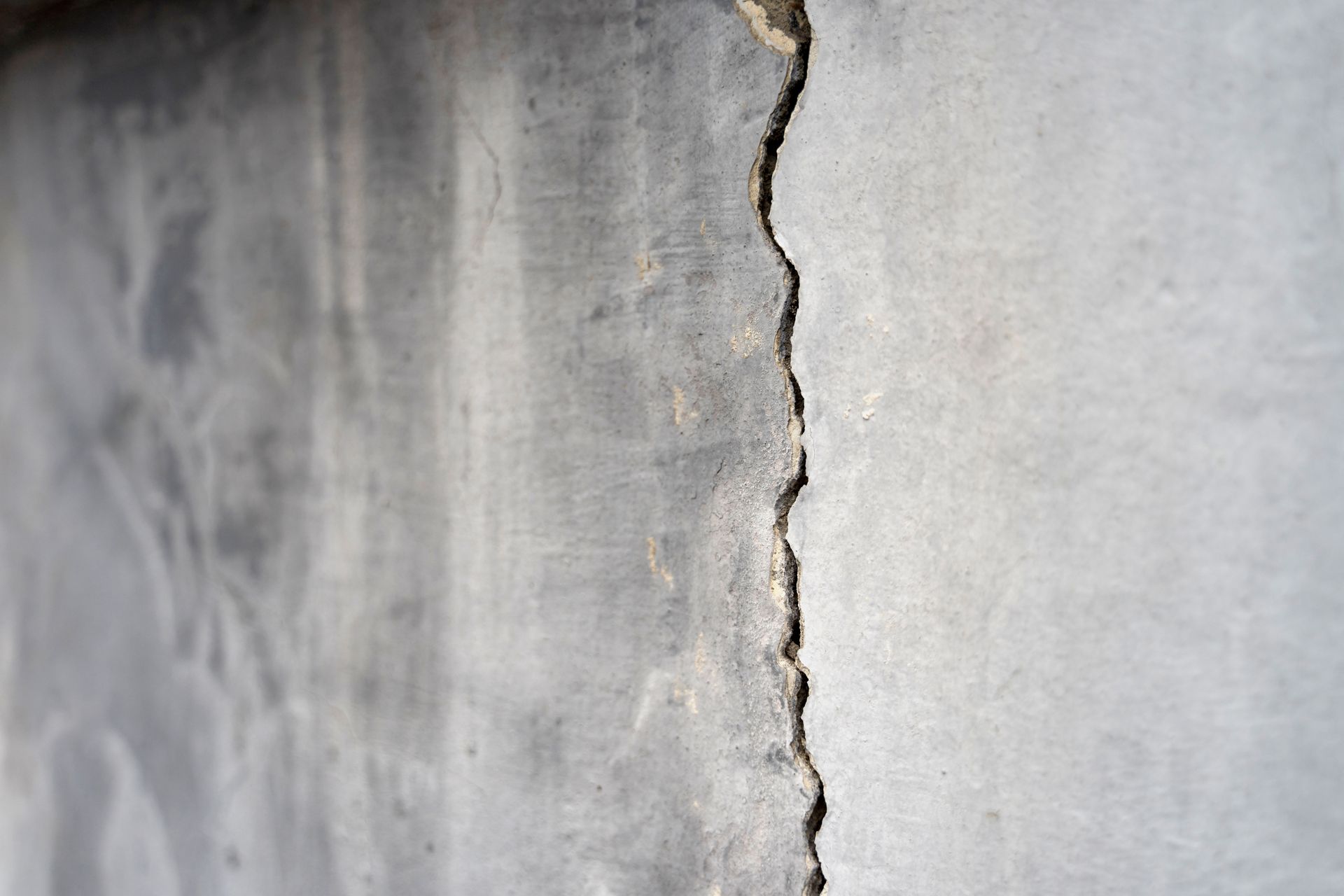
The earliest warnings of structural movement rarely begin in the basement or crawlspace itself; instead, they manifest throughout your upper living spaces. Homeowners frequently notice that interior doors begin to stick in their frames, windows become difficult to open, or large cracks develop in the drywall above door openings. On the exterior of your property, look closely at your brickwork for distinctive "stair-step" cracking patterns running along the mortar lines, or check for visible gaps separating your chimney from the rest of the siding. Inside your lowest levels, horizontal or vertical fractures in concrete block walls indicate that external pressures are actively pushing against your home's infrastructure. Catching these structural shifts in their infancy allows you to address the root cause of the movement before your floors become permanently uneven or sloped.
Identifying Environmental and Soil Management Triggers
The vast majority of structural failures are directly linked to the behavior of the ground beneath your concrete footings. Soil expands drastically when saturated with water and shrinks significantly during periods of extended drought, creating a continuous cycle of movement that exerts immense pressure on concrete. When the earth beneath a structure dries out unevenly, the heavy concrete shifts downward into the newly created voids. According to Zipdo, soil settlement accounts for the primary cause of foundation issues in 40% of cases. Understanding this environmental reality highlights why maintaining consistent moisture levels around your property perimeter is so critical. Poor landscaping choices, such as planting large trees with aggressive root systems too close to your walls, can rapidly accelerate this drying process, pulling vital moisture away from the earth and causing localized structural drops.
Correcting Poor Exterior Drainage and Runoff Patterns
Water management is your single best line of defense against progressive structural deterioration. When your gutters are clogged or your downspouts discharge roof runoff directly against your exterior walls, the surrounding earth becomes oversaturated and muddy. This excess liquid weakens the load-bearing capacity of the soil, allowing your heavy concrete footings to sink deeper into the mud over time. To protect your home, you must ensure your grading slopes downward away from your walls at a rate of at least six inches over the first ten feet. Installing French drains, extending downspout exit lines, and keeping your gutters completely clear will safely route rainwater away from your perimeter. Correcting these surface drainage flaws stops the destructive cycle of shifting earth, creating a stable, dry environment that preserves your home's structural footprint.
Understanding Modern Professional Lifting and Stabilization Options
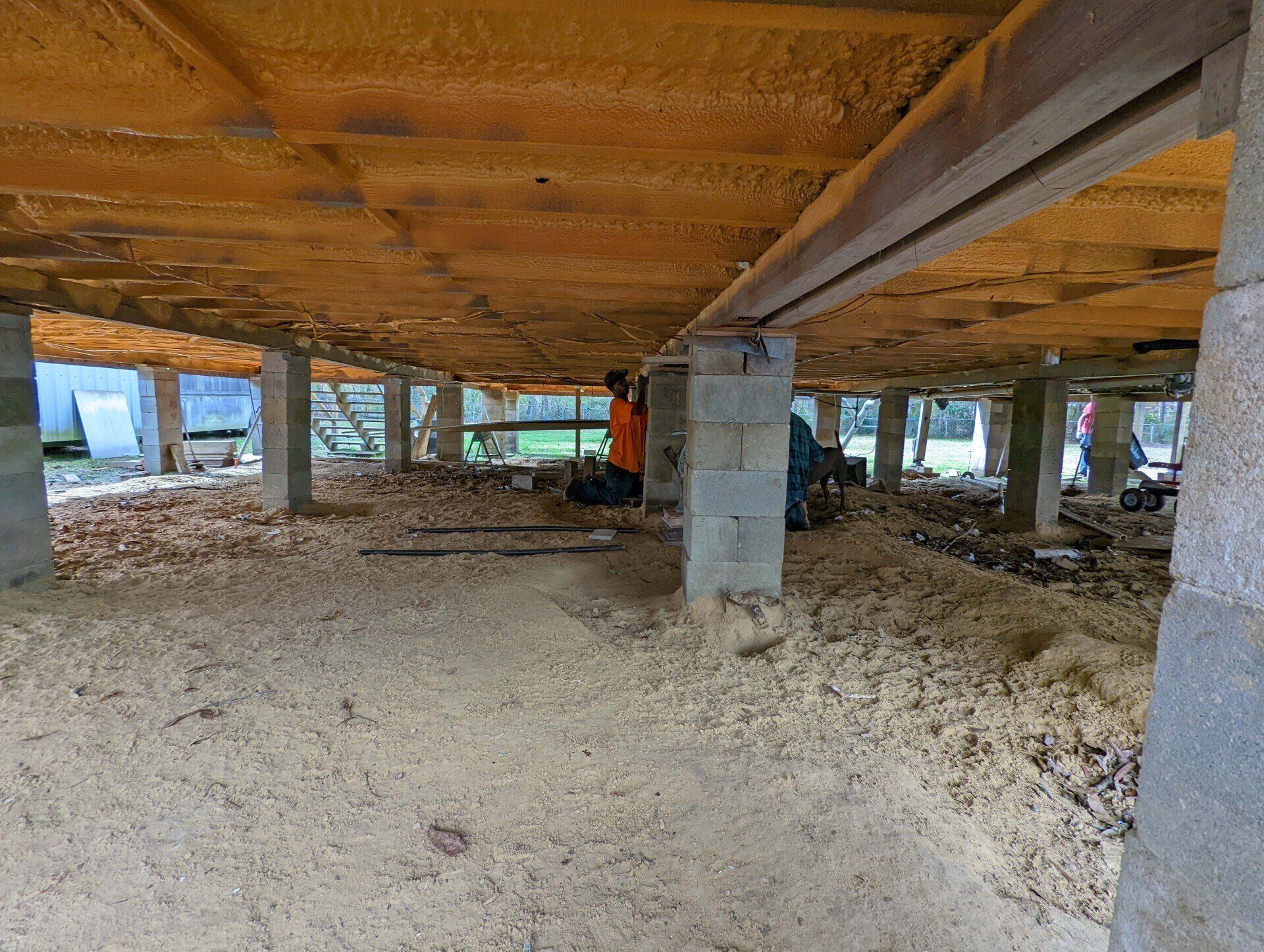
When shifting ground causes a portion of your property to sink, superficial cosmetic repairs like filling cracks with epoxy will not solve the underlying issue. Permanent stabilization requires a professional foundation repair strategy designed to bypass weak surface soil and anchor your home to solid load-bearing strata deep underground. Technicians frequently utilize advanced underpinning methods, such as driving heavy steel push piers or helical piers deep beneath your existing footings until they hit solid bedrock. Once these piers are securely anchored, heavy hydraulic jacks are used to carefully lift your home back to its original, level position. This sophisticated mechanical stabilization process stops ongoing structural deterioration completely, restoring uniform support to your walls and ensuring your floors remain flat and level for the life of the structure.
Evaluating Mudjacking and Polyurethane Foam Injection Methods
For concrete slabs, walkways, or garage floors that have settled due to eroded subsoil, full underpinning may not be necessary. Instead, specialists frequently utilize lifting techniques known as mudjacking or polyurethane foam injection to fill the empty voids beneath the concrete surface. During this process, technicians drill small, strategically placed holes directly through the sunken concrete slab and pump a pressurized liquid mixture underneath. Mudjacking utilizes a thick slurry of sand, cement, and crushed stone, while modern foam injection uses a lightweight, highly expansive polymer that expands rapidly to fill every open pocket of air. As the material expands beneath the slab, it gently and evenly lifts the concrete back into perfect alignment with the surrounding structures. This non-invasive correction method is highly efficient, allowing homeowners to resume normal use of their driveways or floors within just a few hours of application.
Assessing the Vital Importance of Structural Permitting and Engineering
Attempting a major structural restoration project without proper engineering oversight and local municipal permitting is a recipe for financial disaster. Because your home’s structural stability is a matter of basic public safety, local building departments enforce strict regulations regarding how a foundation repair must be executed. A reputable service provider will always collaborate with an independent structural engineer to calculate soil load capacities and map out the exact placement of every support pier. Securing the proper building permits before work begins guarantees that your final installation will be thoroughly inspected and approved by a certified official. This legal and professional validation is incredibly important if you ever decide to sell your home, as future buyers and mortgage lenders will demand documented proof that the structural work was executed to code.
Choosing Comprehensive Structural Warranties and Fully Insured Providers
Because foundation repair is a significant financial investment, protecting your hard-earned money with a robust, legally binding warranty is absolutely essential. You must carefully review any potential contractor’s insurance coverage and ask for explicit written details regarding their long-term service guarantees. A premium, established company will proudly offer a lifetime transferable warranty on their pier installations, ensuring the structural work remains covered even if the property changes hands down the road. Avoid working with cut-rate businesses that only offer short-term verbal promises, as subsequent soil shifts could force you to pay for the exact same repair all over again. Partnering with a fully insured, highly reputable specialist gives you absolute peace of mind, knowing that your structural components are completely shielded against future environmental shifts.
Planning for Routine Long-Term Post-Repair Inspection Habit
Once your home has been successfully leveled and stabilized by foundation repair professionals, your structural responsibilities do not completely come to an end. Shifting weather patterns, seismic vibrations, and changing regional water tables mean that the ground around your home will continue to evolve naturally over time. It is highly recommended to perform a thorough personal inspection of your exterior walls, crawlspace, and interior door frames at least twice a year to verify that no new movement has occurred. Keep your drainage systems well-maintained, monitor your lawn's moisture levels during intense summer heatwaves, and address minor plumbing leaks beneath your home instantly.
Successfully navigating a structural emergency requires an ongoing commitment to understanding your home’s physical warnings, managing surrounding soil moisture, and investing in proven engineering solutions. Taking swift, decisive action at the first sign of a cracked wall or sticking door prevents localized settling from transforming into an incredibly expensive biological or structural crisis. If you are ready to eliminate structural cracks and restore absolute stability to your home, contact Ace House Leveling & Repair today to schedule your comprehensive structural evaluation and foundation repair!
Share On: